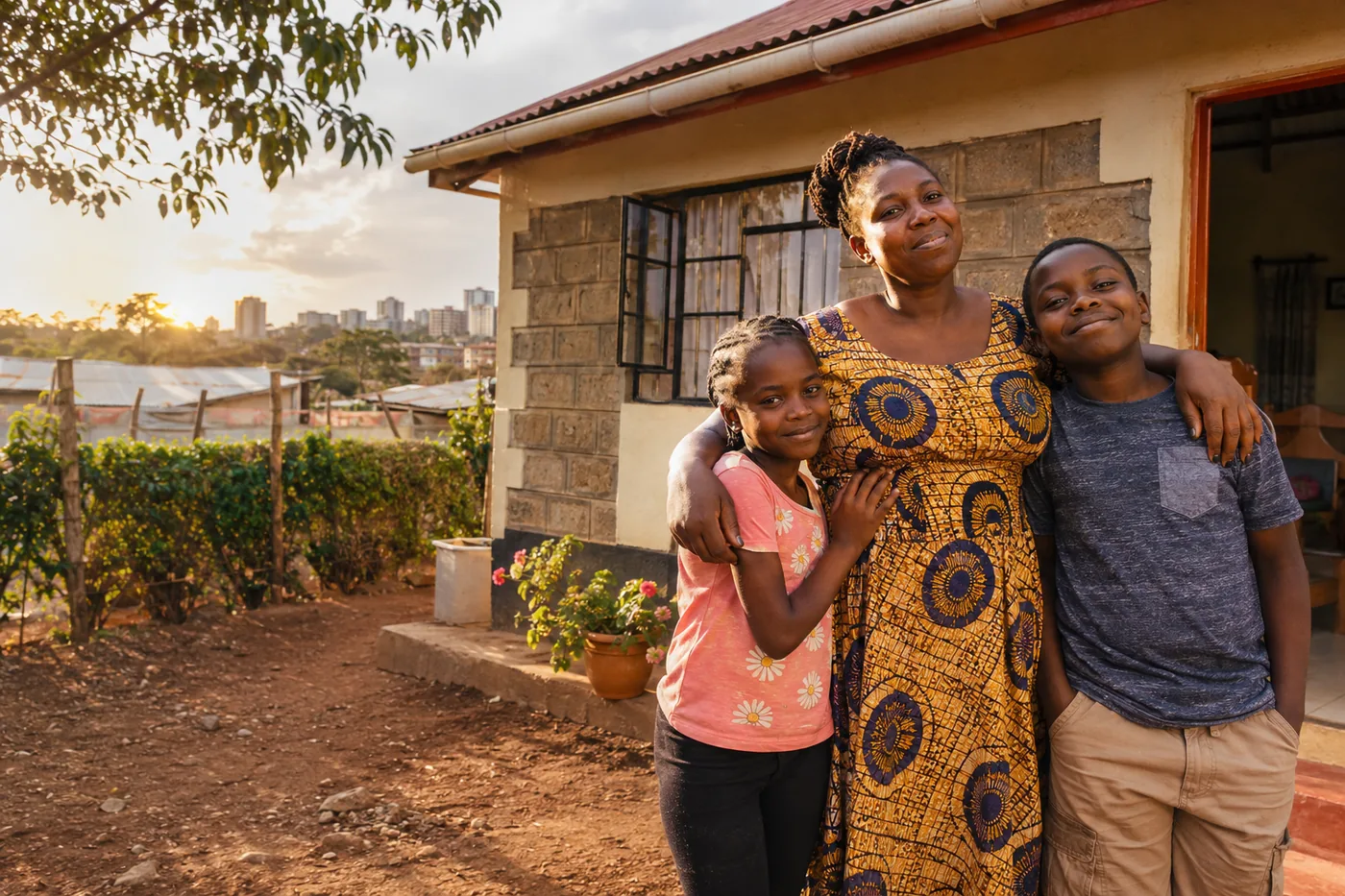
In this story preview, a mother and her two children move from a home that is difficult to keep dry and secure into one with a sound roof, a door that closes and room for schoolbooks. The change is practical, but its effect reaches into the children’s daily routines.
The day before the school day
Getting ready for school begins at home. Clothes need somewhere dry to hang. Books need a place where they will not be damaged. Children need enough rest to arrive ready to take part. When a family’s home cannot offer those basics consistently, the school day starts with an extra weight.
The family in this preview is not defined by that difficulty. The children have friendships, favourite subjects and ordinary plans. Their mother knows what will make daily life easier and what a building project must respect.
Building with the family, not around them
A useful home improvement begins by listening. The family identifies what is most urgent: protection from rain, secure access, ventilation or a place to wash. A local team checks what can be done safely and what the household can maintain after the work is finished.
The result is more than a structure handed over. It is a home whose choices reflect the people who live there, with a clear account of the materials, work completed and any remaining needs.
What changes, and what still matters
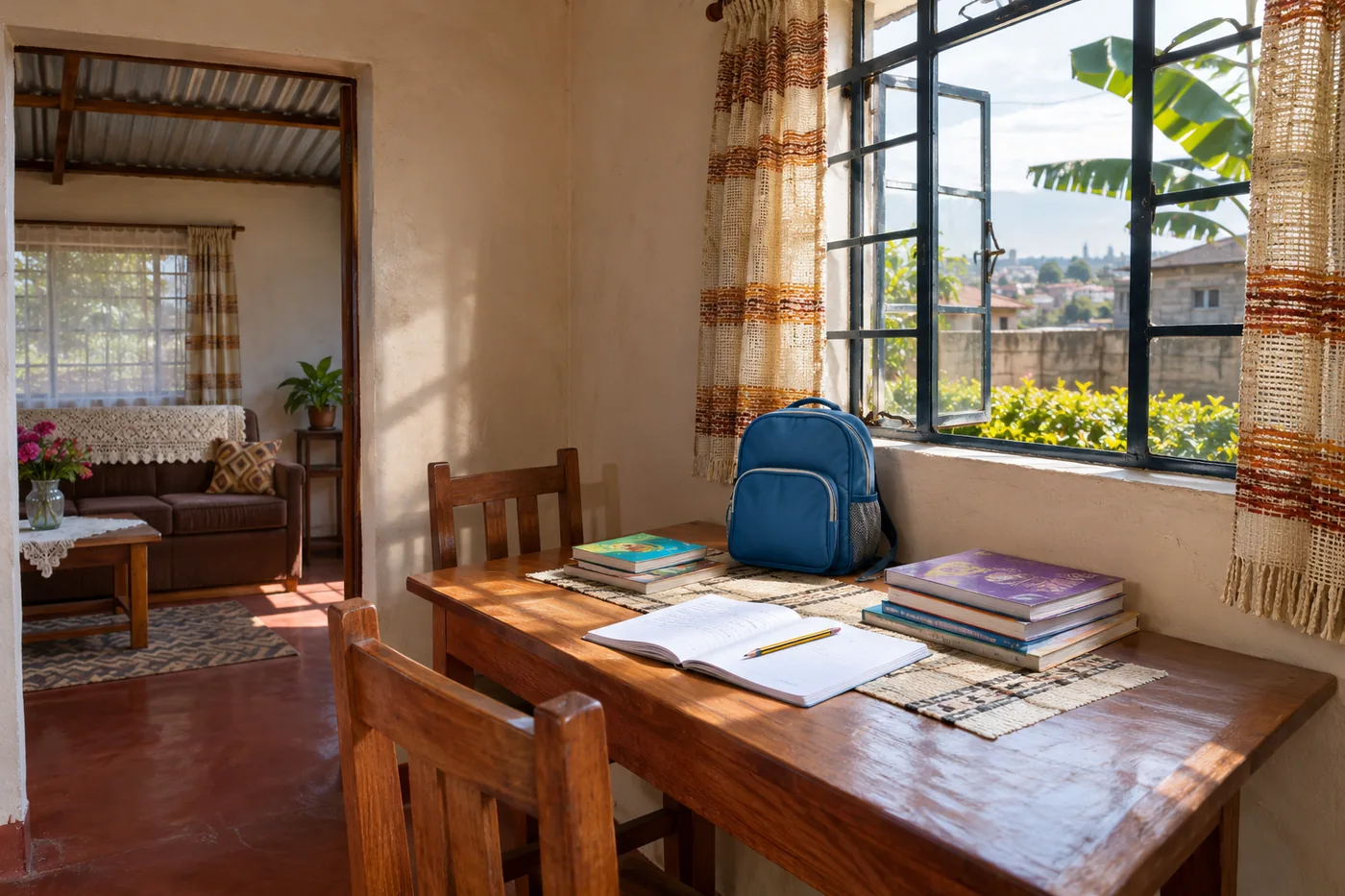
With a more reliable place to sleep and store belongings, the children can prepare for school with less disruption. There is room to sit with a book and space for the family to spend time together at the end of the day.
A better home does not solve every challenge. Water, food, school costs and the quality of learning still matter. That is why family support and school programs should be understood as connected parts of a child’s world.
A safer home can give a child a steadier start each morning.
Explore family homes